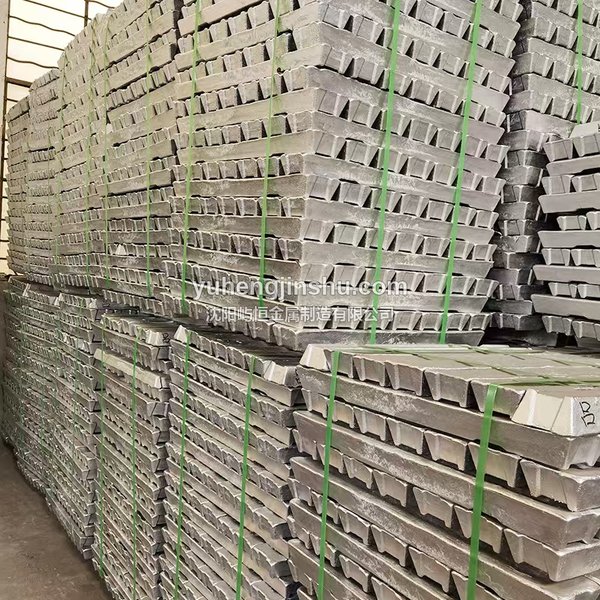
How to Buy Custom Cast Alloy Ingots: Composition, Form and Papers
A purchasing checklist: how to write a composition window, match ingot form and unit weight to the furnace, and what the certificate must show.
Read article →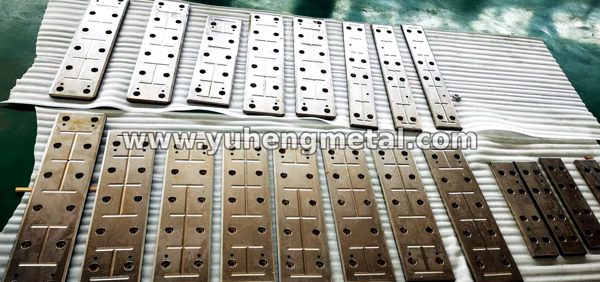
CORC-G Wear Plate: Two Layers for Mill Housing Liners
Why a hard T8 face on a tough carbon backing survives where one steel cannot, the CORC-G thickness range, and the bond clause to write into the order.
Read article →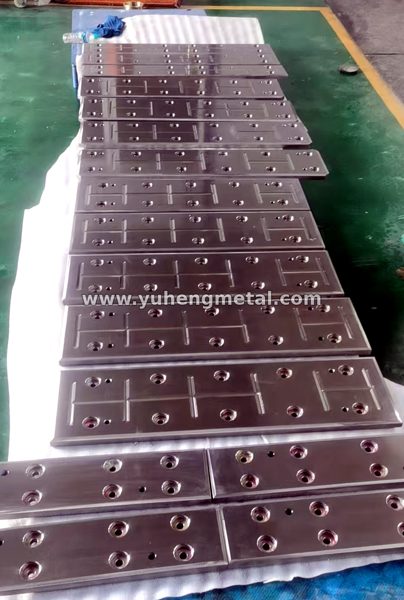
Bimetallic vs Chromium Carbide vs White Iron Wear Plates
Three families, three failure modes: where each one wins, how each one fails, and the five questions that settle the choice for a chute.
Read article →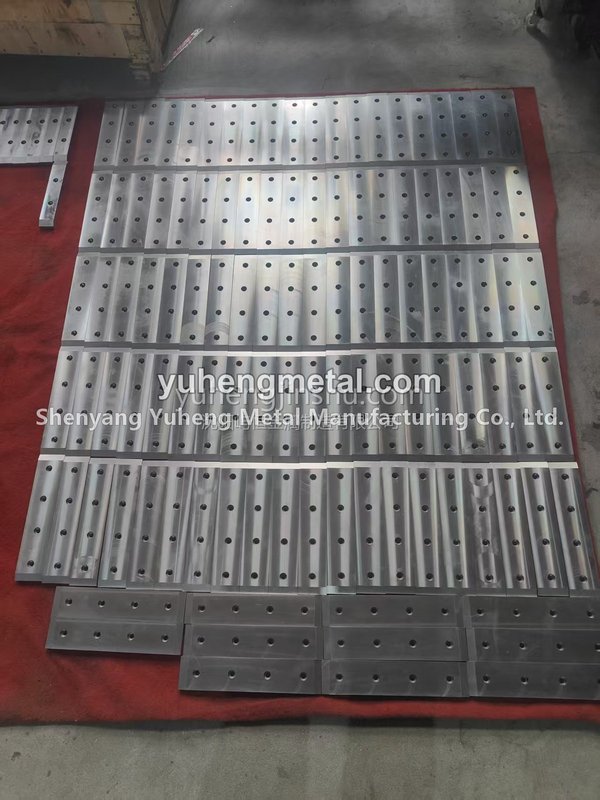
YH-ML vs Bronze Liner Plates: When the Switch Pays Off
Where bronze still wins on pressure and temperature, the 120 °C / 5 MPa / 40 m/s envelope, and the installation checks that decide whether a replacement lasts.
Read article →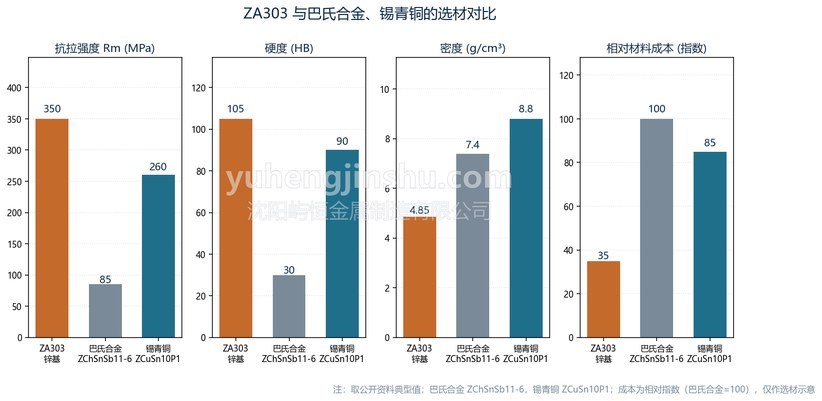
How to Choose Cast Alloy Ingots: Zinc-Based vs Aluminum-Based
When zinc-based ZA303 can take over from babbitt and when it cannot, and why ZL205A on paper is often not ZL205A in the casting.
Read article →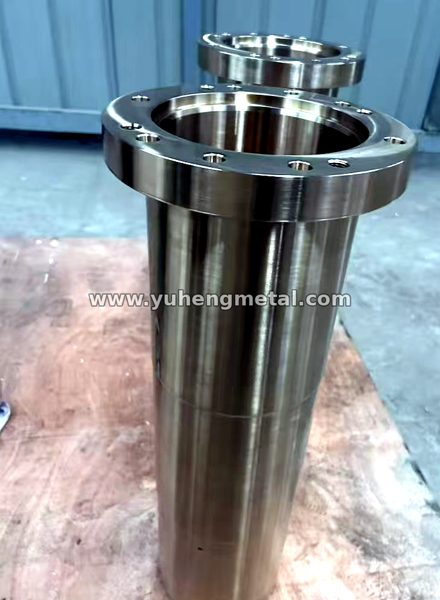
Chinese Bronze Grades vs ASTM/UNS: Cross-Reference for Buyers
GB/T 1176 and GB/T 5231 grades mapped to ASTM/UNS numbers, with a 22-grade table and four checks before accepting a substitute.
Read article →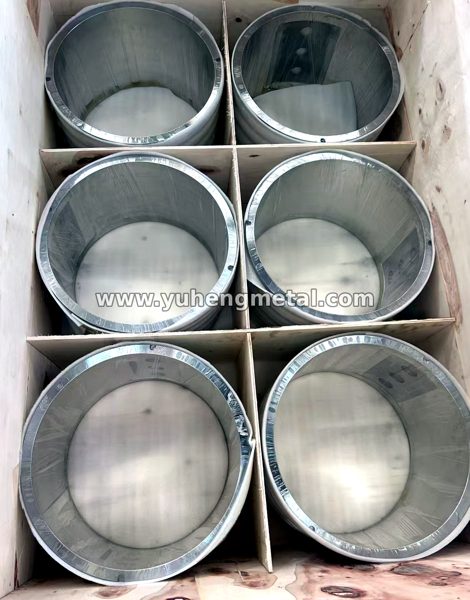
Choosing a Babbitt Bearing Shell Manufacturer: RFQ Guide
How to specify, source and verify a babbitt bearing shell manufacturer: what to send in an RFQ, what to ask, bonding and grade checks, and lead times.
Read article →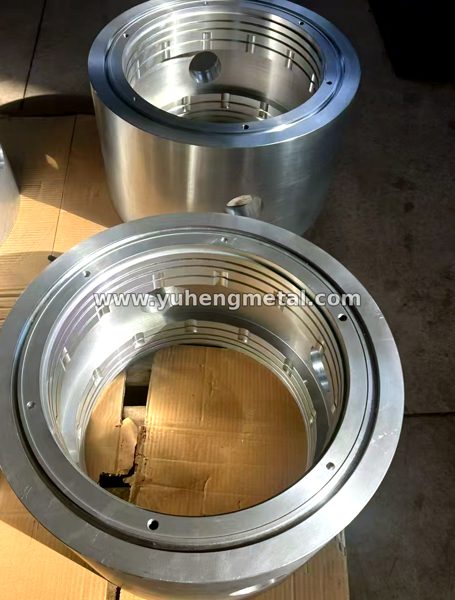
Zinc Alloy Bearings vs Bronze Bearings: How to Choose
Zinc alloy bearings vs bronze bearings: load, speed, temperature, lubrication, corrosion and cost compared - and how to choose for kilns and mills.
Read article →Aluminum Bronze vs Tin Bronze Bushings: Which to Specify
Aluminum bronze vs tin bronze for bushings and bearings: strength, load, speed, corrosion, machinability and cost, plus which alloy suits which duty.
Read article →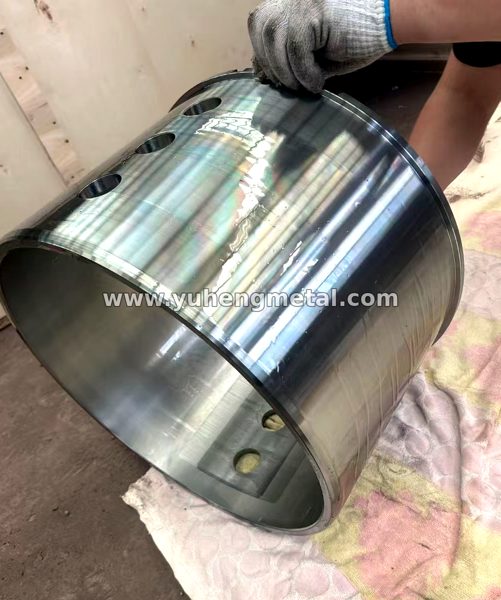
Babbitt Bearing Shells Explained
A bearing lining soft enough to mark with a fingernail carries the entire weight of a rotary kiln on a film of oil. What Babbitt metal is, which grade to specify, how the shells are made and how they fail.
Read article →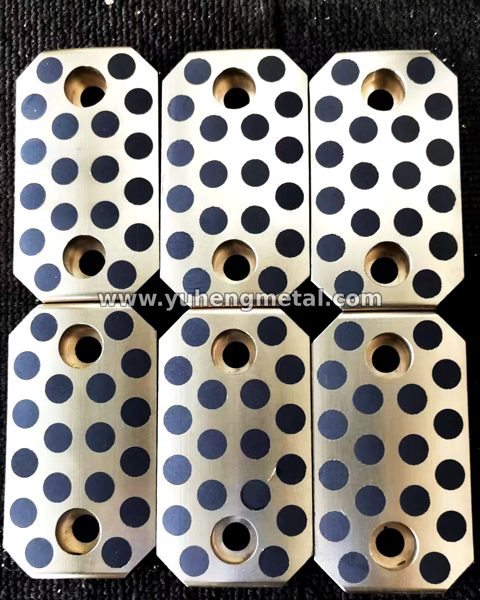
Self-Lubricating Slide Plates: Where They Work and Why They Fail
Self-lubricating bearings put the lubricant inside the material, so a slide that cannot be greased can still work. Here is where they belong, how to specify them, how to run them in, and why they fail.
Read article →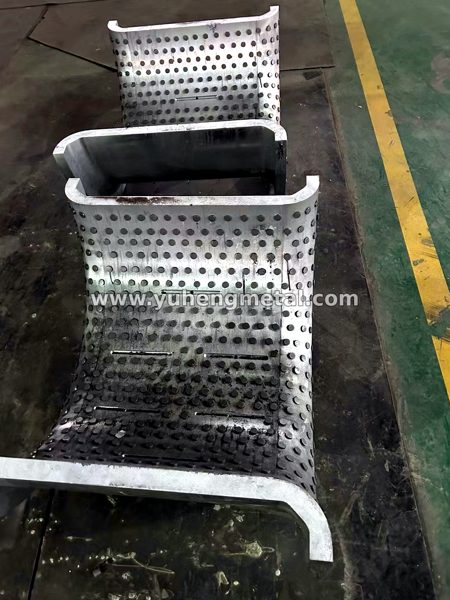
Rotary Kiln Trunnion Bearings: Design, Replacement and Service
Every ton of a rotary kiln passes through a handful of bearings turning at walking pace. How these bearings are designed, which material suits the duty, how they are made and fitted, and the two failures that cause most kiln bearing trouble.
Read article →