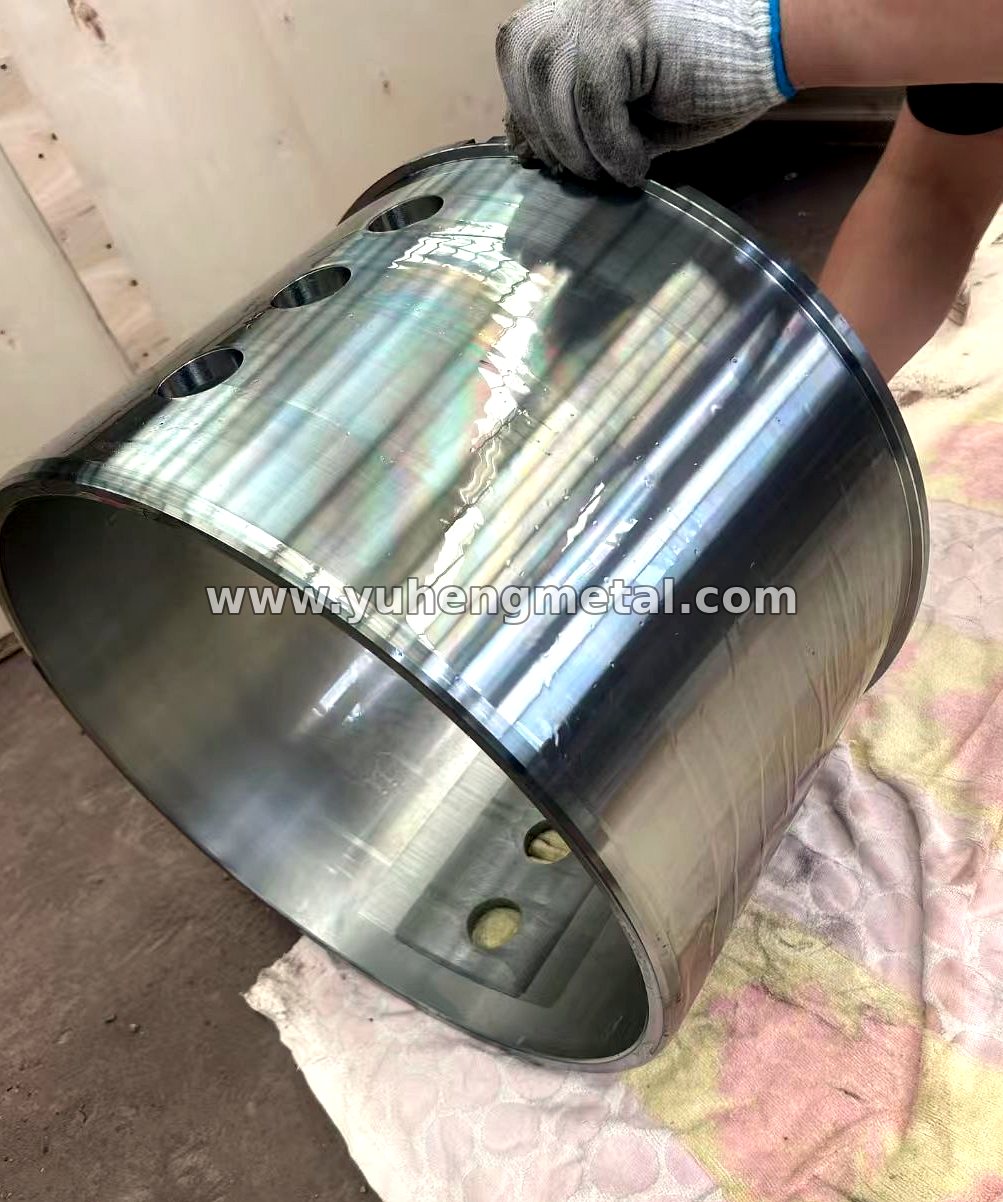
Pick up a Babbitt bearing shell and you can mark the lining with a fingernail. That same lining carries hundreds of tons of kiln, turbine or mill shaft on a film of oil thinner than a human hair. Understanding why that works - and where it stops working - is most of what you need in order to specify, fit and look after these bearings.
What Babbitt metal actually is
Babbitt metal - also called white metal, whitemetal or simply bearing metal - is a low-melting-point bearing alloy named after Isaac Babbitt, who patented the first version in 1839. It is not one material but a family, and two branches of it matter commercially:
- Tin-based Babbitt - tin with antimony and copper, typically around 8% antimony with 4% copper, or the higher-antimony grades. This gives the best conformability and corrosion resistance and remains the standard for turbines, generators, large pumps and other high-speed machinery.
- Lead-based Babbitt - lead with antimony and tin. Cheaper, usable at slightly higher temperatures, lower load capacity, and increasingly avoided where lead content is restricted.
The microstructure is the whole trick. A soft matrix carries hard intermetallic particles - tin-antimony cubes and needle-like copper-tin compounds - distributed evenly through it. The hard particles take the load and resist wear; the soft matrix yields, conforms to the journal and lets grit embed instead of scoring the shaft.
Why the lining is thin, and why thin is the point
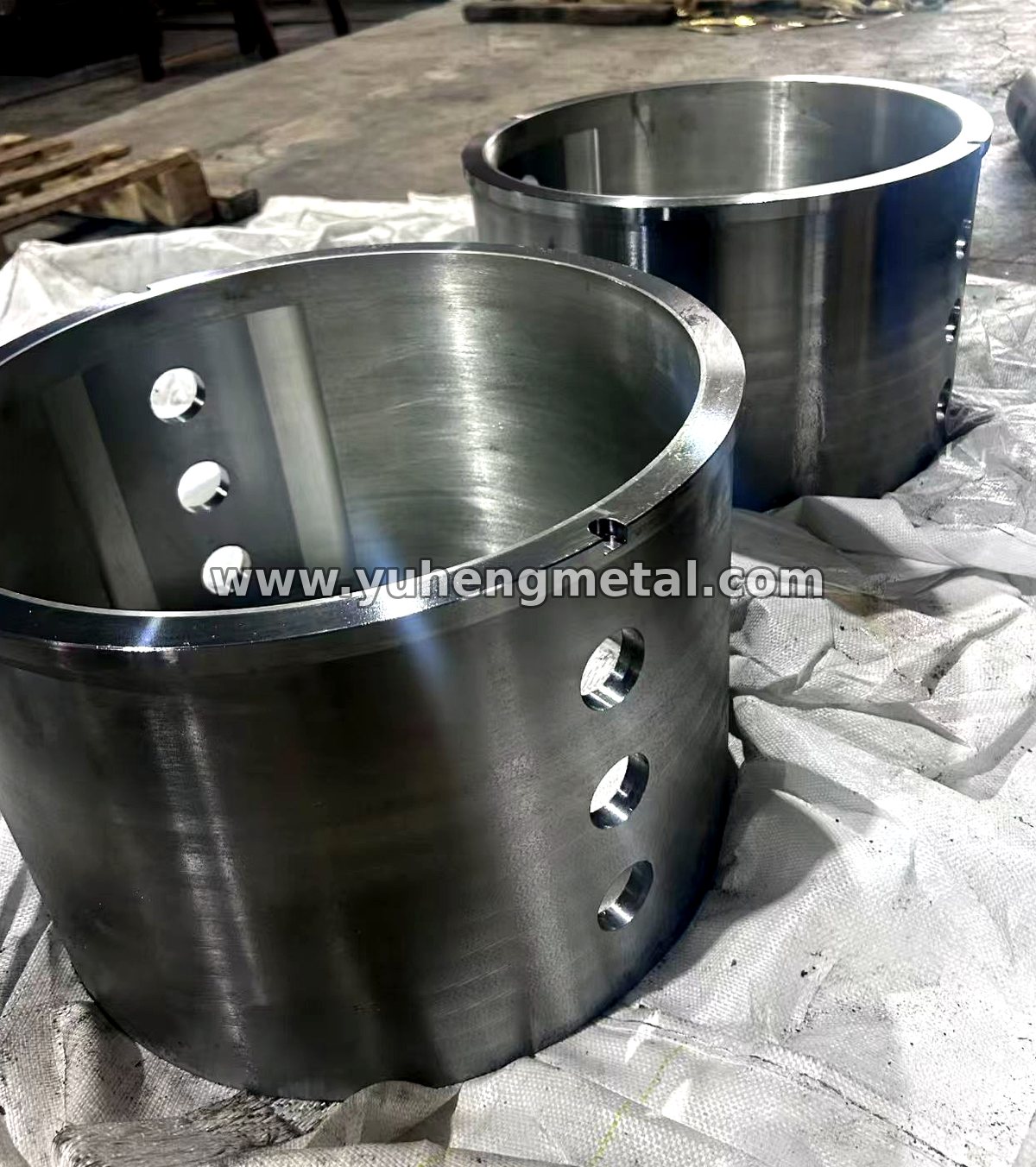
Babbitt has low fatigue strength, so it is almost never used as a solid bearing. It is bonded as a thin layer - commonly 1 to 5 mm, and thinner still on high-speed machines - onto a steel, cast-iron or bronze shell back. That combination is what engineers mean by a bearing shell: a strong back carrying a soft, conformable surface.
Thin is not a compromise, it is a requirement. The thinner the lining, the higher the load it can carry before fatigue sets in, and the more easily heat escapes from the bearing surface. A lining that is too thick fails early; one that is the right thickness and properly bonded outlasts the maintenance interval.
How an oil-film bearing carries load
At running speed the journal drags oil into the converging gap between itself and the shell, building a pressure wedge that lifts the shaft clear of the metal. On a healthy machine the two surfaces never touch - the load rides on the film. The lining earns its keep in the moments when that film is not there:
- Start-up and shut-down, when the shaft turns too slowly to build a film
- Stops under load, when oil drains away and the journal rests on the shell
- Overload and misalignment, when the film thins at the edge of the bearing
- Contaminated oil, when grit passes through the film
In every one of those cases the soft lining yields, embeds the particle or wears preferentially - and the expensive shaft survives. That is the bargain a Babbitt bearing makes with its machine.
Grades and how to choose between them
| Property | Tin-based | Lead-based |
|---|---|---|
| Typical composition | Sn with 7-8% Sb, 3-4% Cu | Pb with 10-15% Sb, 1-10% Sn |
| Load capacity | high | moderate |
| Temperature capability | about 130 C for continuous duty, up to about 150 C (ASTM Grade 2) | similar, with lower load capacity |
| Corrosion resistance | good | poorer; sensitive to water and acidic oil |
| Relative cost | higher (tin content) | lower |
| Typical use | turbines, generators, large pumps, high-speed shafts | general industrial bearings where cost drives the choice |
For kiln, mill, pump and gearbox duties, the choice is usually between a standard tin-based grade and a leaded alternative. Where the machine is a turbine or a high-speed generator, tin-based is the only sensible answer.
How the shells are made
- Back preparation. The steel or cast-iron back is degreased and cleaned back to bright metal, then tinned, so the lining bonds metallurgically rather than merely sitting on the surface.
- Casting. Static (gravity) casting suits pads and irregular shells; centrifugal casting suits cylindrical bushes and gives a finer grain, a better bond and less porosity.
- Cooling control. Cooling rate decides the size and distribution of the hard particles and the amount of shrinkage porosity, and it is where most of the skill in the process lives.
- Bond testing. The finished lining is checked for debonding - by ultrasonic inspection or hammer testing. A lining that has lifted from its back will fail in service no matter how good it looks.
- Machining. Bore, faces, oil grooves, oil holes, keyways and dowel holes are cut to drawing, with the bore held to the specified running clearance rather than to a nominal size.
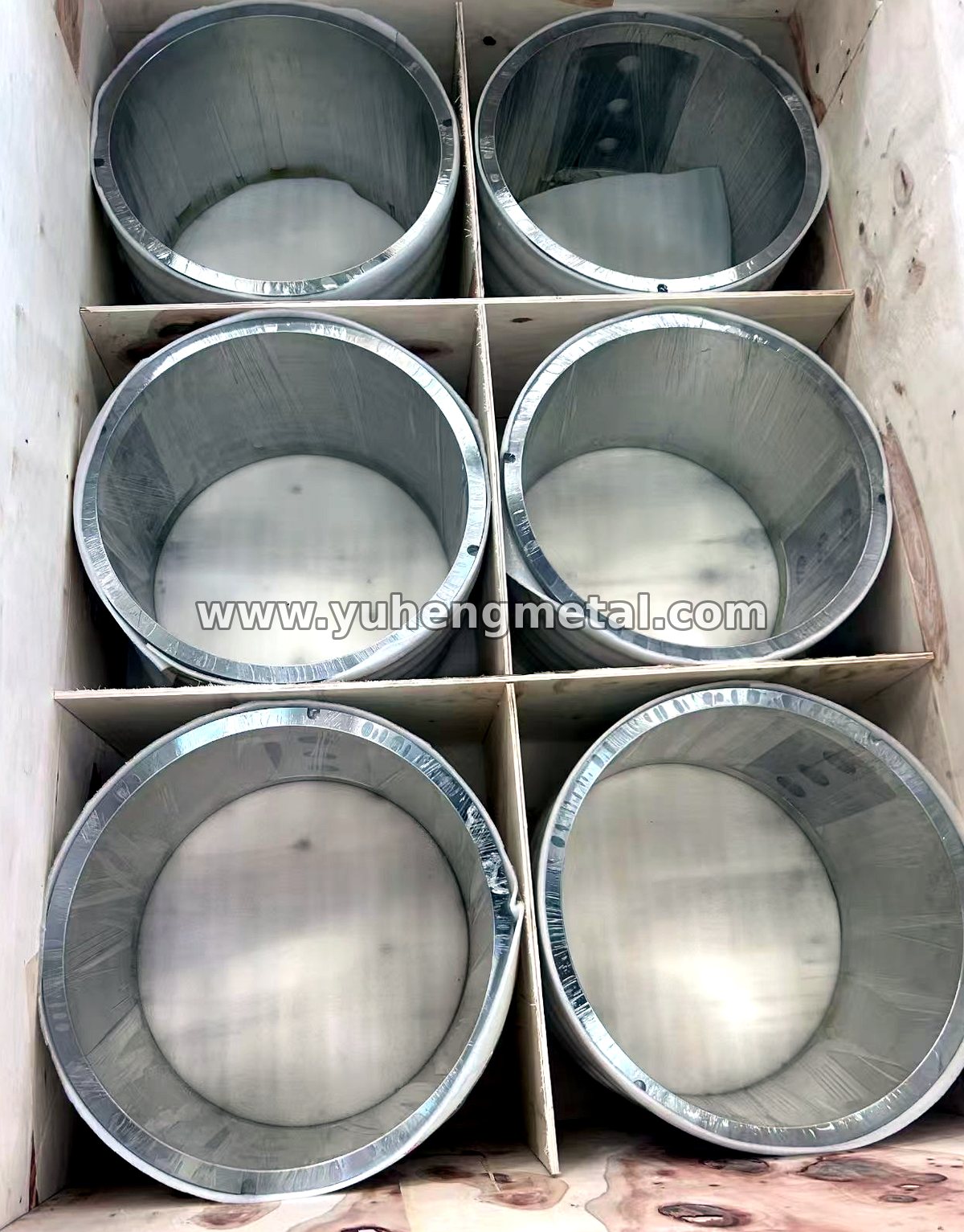
- Fitting and despatch. Clearance and contact pattern are checked before the shell is packed, because a shell that fits cold rarely behaves badly when hot.
How they fail - and what the failure tells you
- Wiping. The lining smears when temperature rises or oil supply is interrupted. Look at oil flow, viscosity, clearance and load, not at the bearing.
- Fatigue. Cracking and spalling of the lining under cyclic load, usually made worse by edge loading from misalignment or by a lining that is thicker than the duty needs.
- Debonding. The lining lifts away from the back after poor tinning, contamination or repeated thermal cycling. The cure is stripping and re-lining, not shimming.
- Contamination. Embedded grit in the surface means the oil is carrying dirt; the answer is filtration, and making the oil circuit prove it.
- Corrosion. Water ingress or acidic oil attacks lead-based grades first. Check the oil and the cooler, and consider a tin-based lining.
Replacing a worn shell
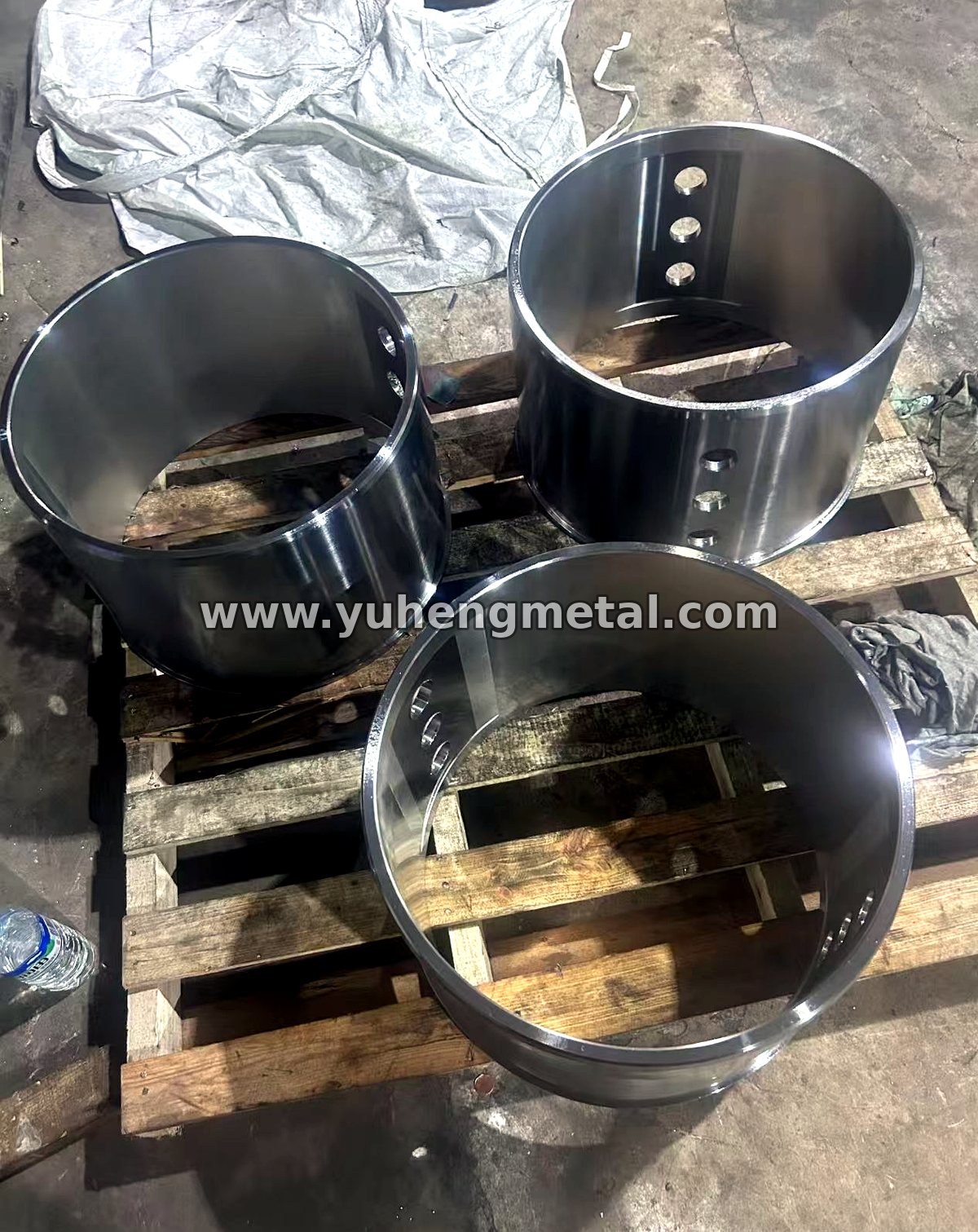
Most of the shells and bushes we make are replacements rather than original equipment parts. Send the worn shell, a drawing, or a photo with the main dimensions and we measure, reverse-engineer, cast, bond and machine to fit. Where the original documentation is missing, the numbers that matter are the housing bore, the journal diameter, the lining thickness the housing allows, the position of the oil ways, and the retention arrangement - keyway, dowel or nip.
Before the new shell goes into service, check the contact pattern, set the clearance, confirm that oil reaches the load zone through the grooves, and watch the temperature rise during the first hours of running. A bearing that runs cool after a re-fit usually keeps running cool.
Questions we get asked
What is the difference between Babbitt and bronze?
Babbitt is a soft, low-melting tin or lead based alloy used as a thin lining bonded to a steel or cast-iron back. Bronze is a solid copper-based bearing alloy. Babbitt conforms to the journal and embeds dirt better; bronze carries more load and tolerates higher temperature.
Can a Babbitt bearing run without oil?
No. Babbitt depends on an oil film. Dry running destroys the lining within minutes, and even a short stop under load with no oil feed marks the surface. Restoring oil flow and cooling is always more urgent than the bearing itself.
How thick should the Babbitt lining be?
For most industrial shells and pads, 1 to 5 mm of lining on a sound backing. Thinner linings carry higher loads without fatigue but demand better bonding and a straighter housing, while thick linings are more forgiving to cast but fail earlier.
Can you make a replacement shell from our worn part?
Yes. Send the worn shell, a drawing or a photo with the main dimensions - housing bore, journal diameter, lining thickness, oil-way positions and the retention arrangement. We reverse-engineer, cast, bond and machine to fit.
Related products
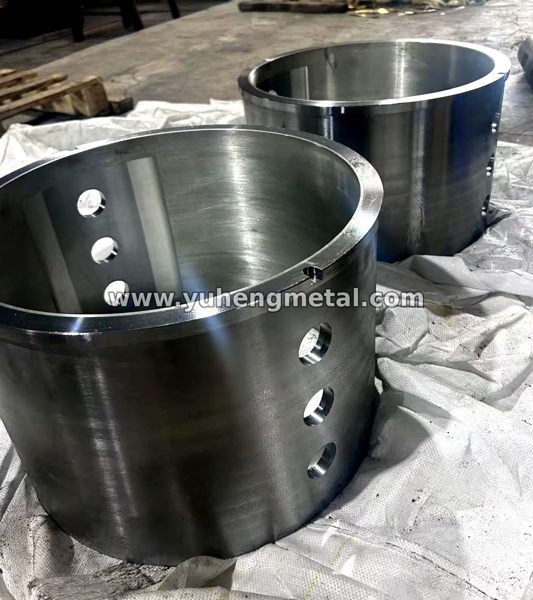 Babbitt & oil-film
Babbitt Bearing Shells & Oil-Film Bearings
Babbitt (white metal) bearing shells and oil-film bearings for heavy-duty rotating equipment - cast, bonded and machined to drawing, in tin-based and lead-based alloys.
Learn more →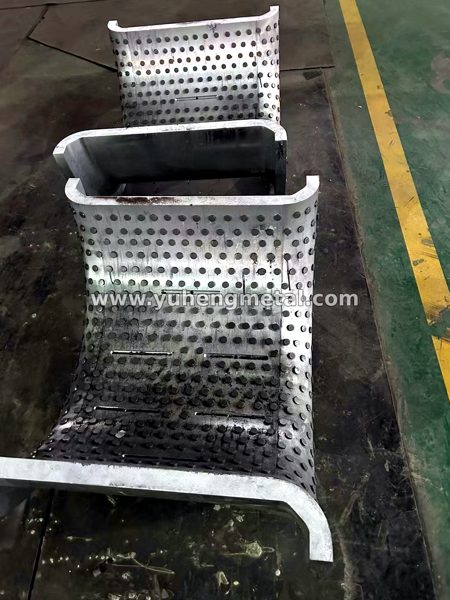 Heavy industry
Rotary Kiln Trunnion & Support Roller Bearings
Wear-resistant trunnion bearings, support-roller bearing pads and hollow-shaft bearings for rotary kilns, dryers and grinding mills.
Learn more →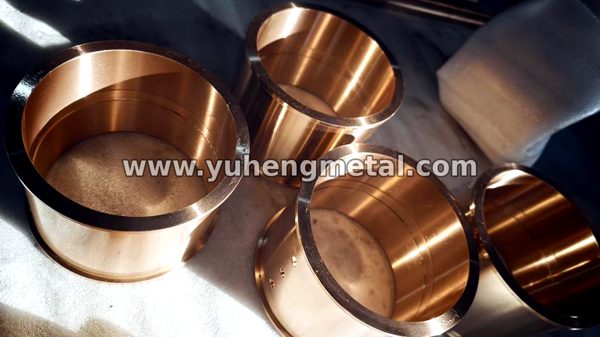 Tin / aluminum bronze
Copper Alloy Castings & Bronze Bushings
Centrifugal and sand-cast copper alloy parts - tin bronze, aluminum bronze and brass bushings, copper sleeves and retaining rings machined to spec.
Learn more →