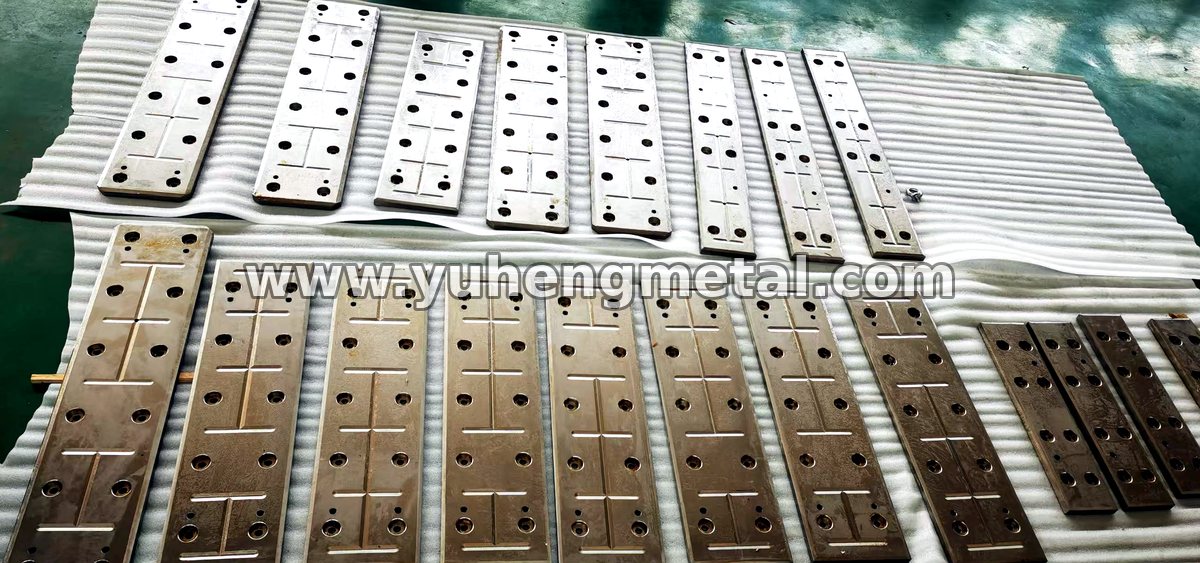
A wear plate is a consumable. It is meant to be the cheapest thing in the system that wears out instead of something expensive - the chute, the hopper, the bucket, the machine frame. That single fact decides everything about how you specify, fit and check one.
What a composite wear plate actually is
A composite or bimetal wear plate is two materials doing two jobs. A hard wear layer faces the abrasive material and resists scratching and gouging; a tough backing absorbs impact, carries the bolt loads and holds the plate flat against the structure.
Trying to get both properties from one material is where most wear-plate mistakes start. A plate hard enough to resist abrasion all the way through is also brittle, and in a chute full of falling rock it will crack, spall or shatter at the edges. Put the hardness where the abrasion is and the toughness behind it, and the plate lasts longer while being easier to fit and replace.
The three types we supply
| Type | Character | Typical position |
|---|---|---|
| CORC-g composite wear plate | composite wear layer on a structural backing; resists sliding abrasion and moderate impact | chutes, transfer points, hopper walls |
| Main-Metall liner plate | non-ferrous wear alloy liner with good sliding performance and low friction against sticky material | hoppers, bins, feeder liners |
| 305K slide plate | slide-way and guide surfaces where friction and galling matter as much as wear | slide ways, guides, support surfaces |
These are our own grade designations rather than standard classifications: CORC-g is a composite (bimetal) wear plate, Main-Metall is a non-ferrous alloy liner plate, and 305K is a slide-way and guide plate. The grade name identifies which of our materials it is; the description tells you which duty it belongs in.
All three are cut, formed and drilled to drawing, so a plate arrives ready to bolt on rather than as a sheet to be cut in the yard.
Where they belong
- Chutes, hoppers, transfer points and discharge spouts, where material slides continuously
- Mining and aggregate handling - screens, feed points, crusher discharge
- Buckets, loader lips and excavator wear parts, where sliding and impact arrive together
- Slide ways and guide plates on machine tools and heavy equipment
- Cement and steel plant liners, including bin and fan-housing protection
Specifying: the five decisions
- Wear layer and hardness. Harder resists sliding abrasion better, but too hard for an impact position is how plates crack. Match the grade to the duty, not to the catalog number.
- Thickness. Set by how much wear you are prepared to tolerate between maintenance stops. Measure the wear rate on the existing liner and work back from the interval you want.
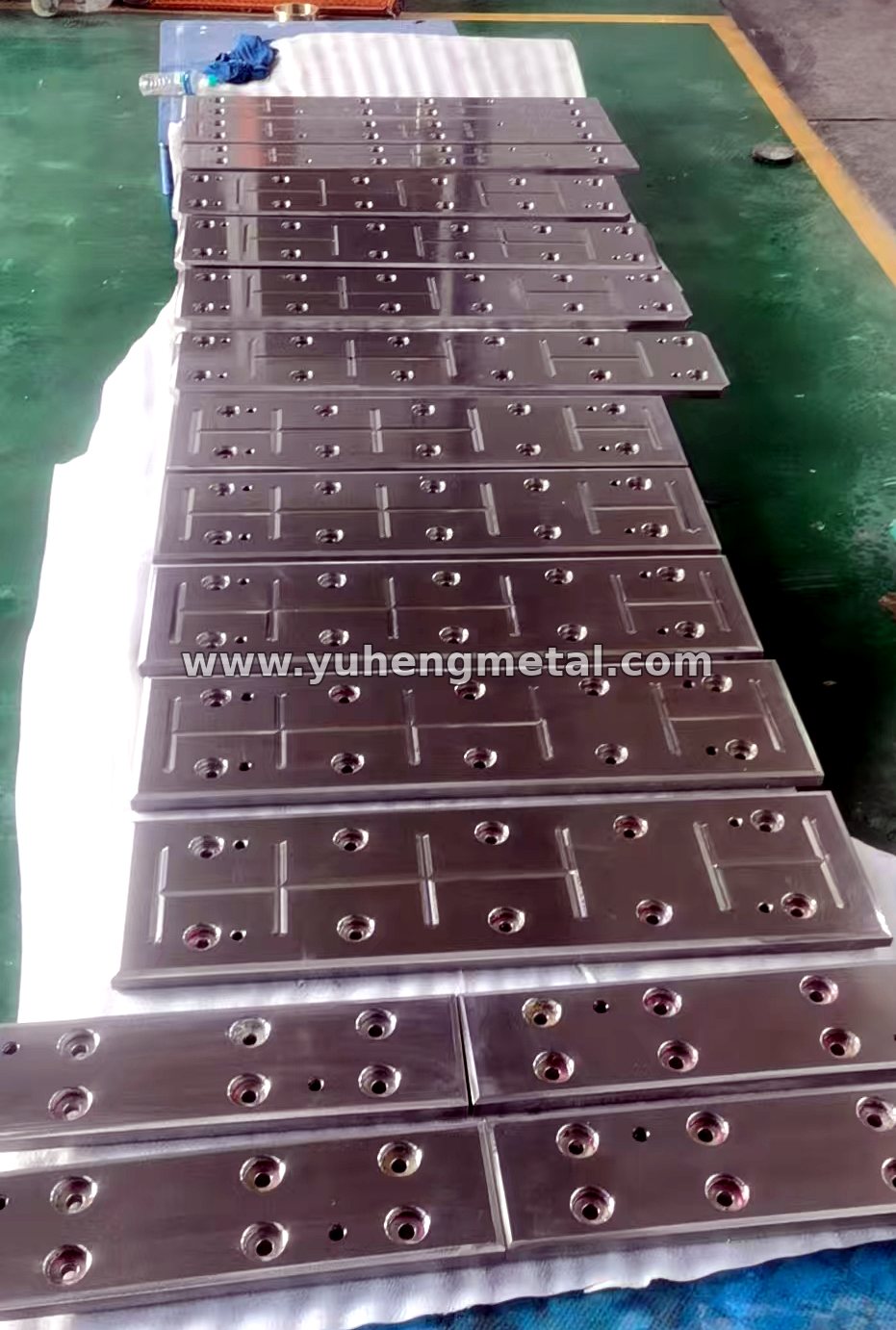
- Shape and size. Cut to drawing, including the countersinks, keyways and bolt pattern. Large plates are easier to fit but harder to handle in a confined chute.
- Fixing. Countersunk bolts for replaceable plates, welding or plug welding for permanent ones, and both where the impact is severe.
- Quantity strategy. Because the plate is a consumable, the sensible order is a set for the repair plus one spare, not a single plate.
Fitting it so it stays put
- Orient the plate so the material flows across the wear face, not into an exposed edge.
- Countersink properly. A bolt head standing proud of the wear face is a bolt head the material will cut off within weeks, and then the plate becomes a projectile.
- Support the plate. A plate spanning a gap drums under impact, cracks at the bolt holes and lets material in behind it. If the structure behind it is not flat, make it flat.
- Leave the right gaps. Plates need enough clearance for thermal movement and enough overlap that the fixing is never directly in the flow.
- Check after the first shift. Re-torque the fixings once, when the plate has settled - it costs minutes and saves a plate.
Why we test every plate
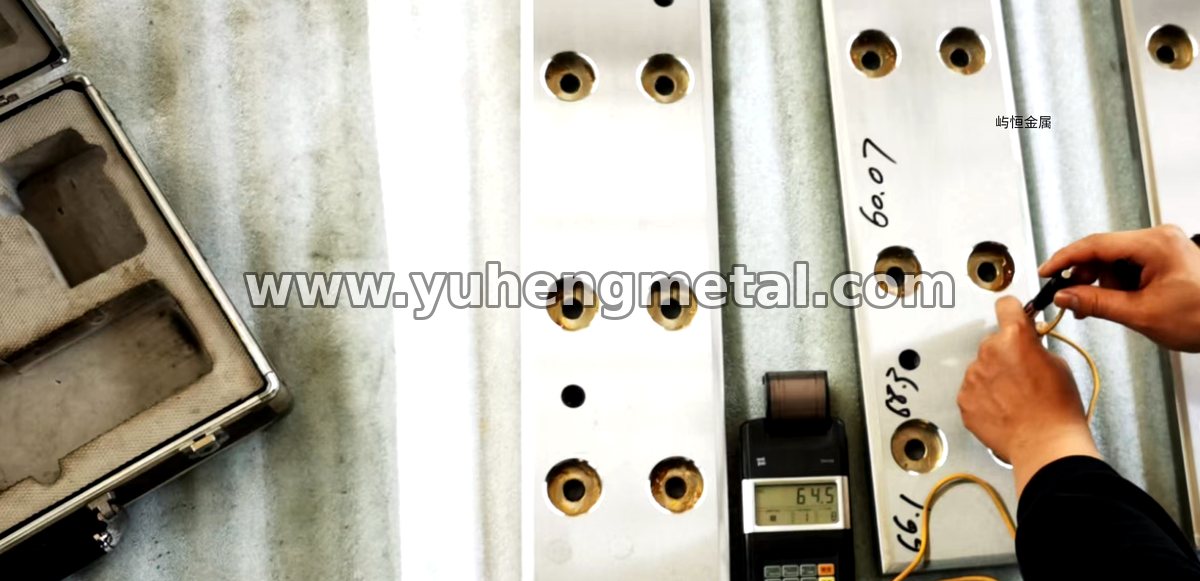
Hardness is the one number that predicts how long a wear plate will last, and it is the easiest thing to get wrong in a foundry: a melt that is slightly out of specification, a heat treatment that was rushed, or a batch that was simply bought in and re-sold.
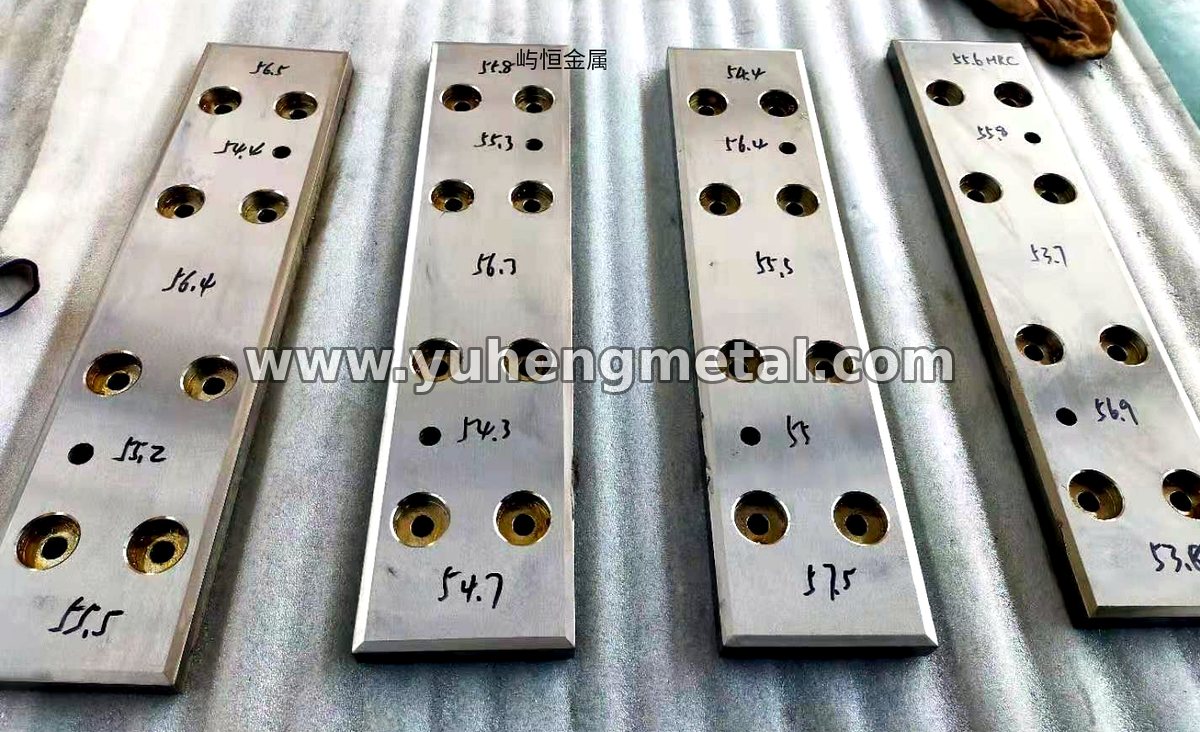
On our plates each piece is tested on the wear face with a Leeb hardness tester and the reading is marked on the plate, so the value can be traced back to the individual component rather than to a batch average. Test records are available with the delivery documents.
When you are buying from anyone else, asking for per-piece hardness records is a fast way to find out whether the plates are actually being checked or whether a certificate is being copied.
How wear plates fail
- Worn through in a predictable area. Not a plate problem - the impact zone needs a harder grade, a thicker plate or a change in the material flow.
- Fixings cut away. The bolt pattern was in the flow path or the heads stood proud of the surface.
- Cracking and edge spalling. A grade that is too hard for an impact position, or a plate that is unsupported behind.
- Material getting behind the plate. Gaps at the edges, missing overlap or bolts that have loosened - once fines get in, the plate is levered off.
- Fall-off. Almost always a combination of the two previous causes, and the failure that does the most damage downstream.
Send us the position, the material being handled, the plate size and the bolt pattern - or an old plate to copy - and we will come back with a grade, a thickness and a price. Where the failure is repeated, we would rather change the grade than sell the same plate again.
Questions we get asked
What is a composite wear plate?
A plate made of two materials: a hard, wear-resistant layer on a tough structural backing. The hard layer resists abrasion while the backing absorbs impact and carries the fixing loads, which a fully hardened plate of the same thickness cannot do.
How do I choose the thickness?
Thickness is set by how much wear you can tolerate between maintenance windows, not by strength. Measure the wear rate on the current liner, decide how many months you want between changes, and size the plate from that.
Bolted or welded?
Countersunk bolts suit plates that will be replaced - the heads sit below the wear surface. Welding suits permanent liners and plug welds through the plate. In high-impact positions, bolt plus plug weld is the usual compromise.
How is hardness verified?
By testing each plate and recording the result - typically a Leeb (HL) reading taken on the wear face, converted to the scale in the specification. Hardness test records per piece are what separate a controlled batch from a lucky one.
Related products
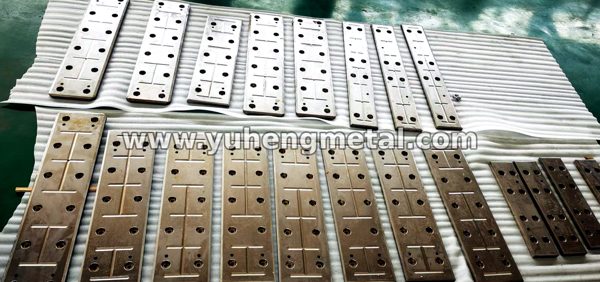 Anti-wear
Wear-Resistant Composite Plates (CORC-g)
CORC-g bimetallic wear plates, Main-Metall liner plates and 305K slide plates for chutes, hoppers and heavy sliding wear.
Learn more →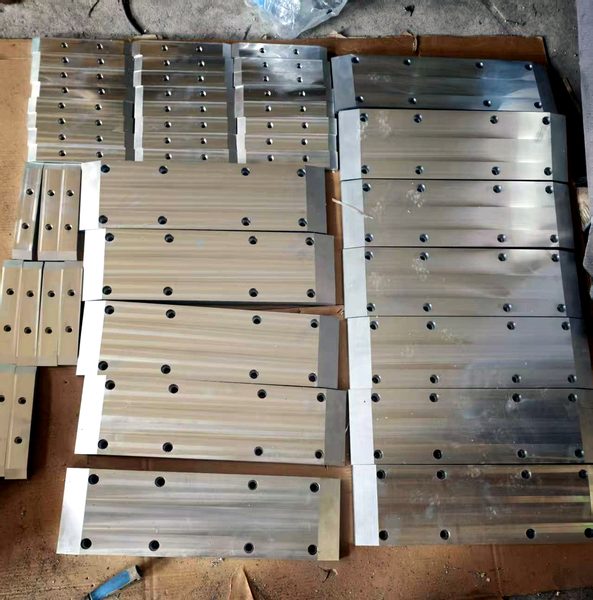 Liner / slide plates
Zinc-Aluminum Alloy Liner Plates (ZA303 / ZA27)
High-wear zinc-aluminum alloy liner plates and slide plates, cast and machined flat with counterbored fixing holes to your drawing.
Learn more →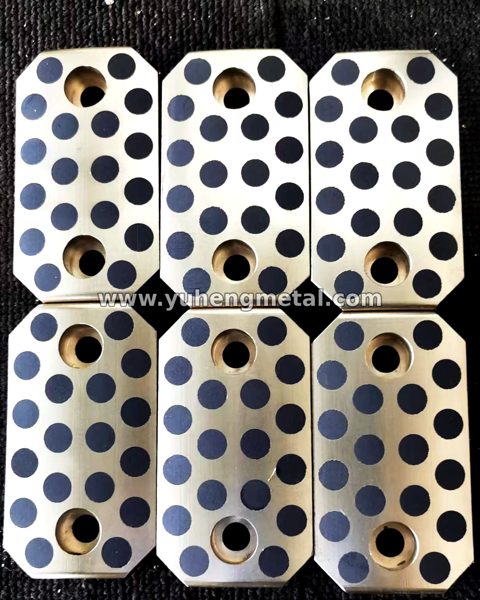 Low maintenance
Self-Lubricating Slide Bearings & Wear Plates
Self-lubricating slide bearings, thrust washers and wear plates with graphite or polymer lubrication for low-maintenance machinery.
Learn more →