Zinc-based and aluminum-based casting alloy ingots, melted to the composition range or performance target you give us. The grade is not the limit - tell us what the part has to do and we melt to that.
Four steps and you have a quotation.
Step 1 - describe the service. Load, working temperature, impact, contact medium, and what shaft or counterface the part runs against.
Step 2 - fix the composition. Give us a grade, give us a composition window, or give us only a performance target and we work back from it.
Step 3 - trial ingots. A small batch first confirms composition, fluidity and casting behaviour, so a whole heat does not end up as scrap.
Step 4 - batch supply. Ingot shape and unit weight follow your furnace; ingots and castings can come from the same heat.
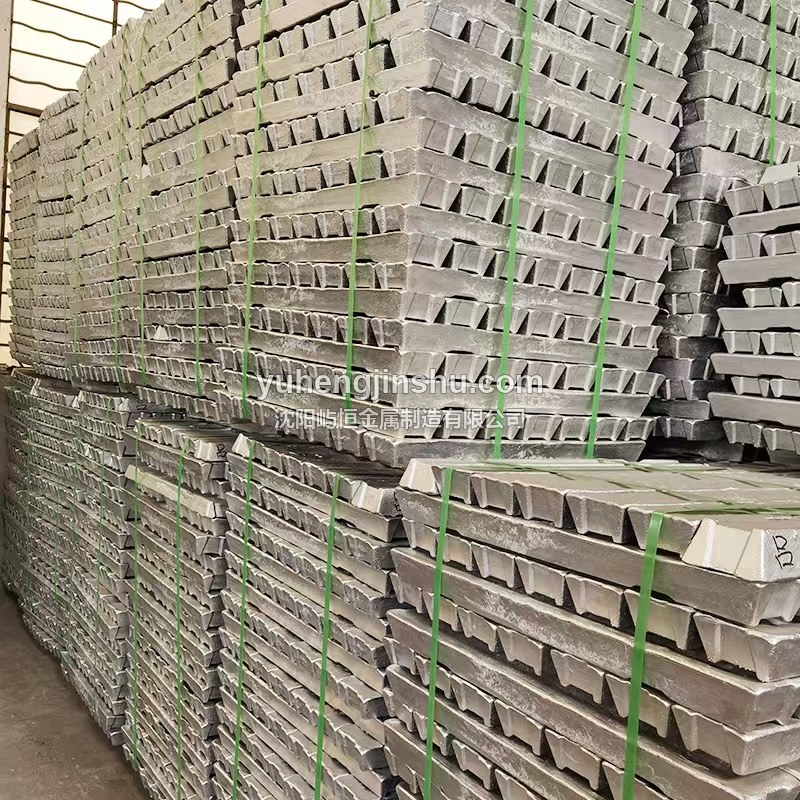
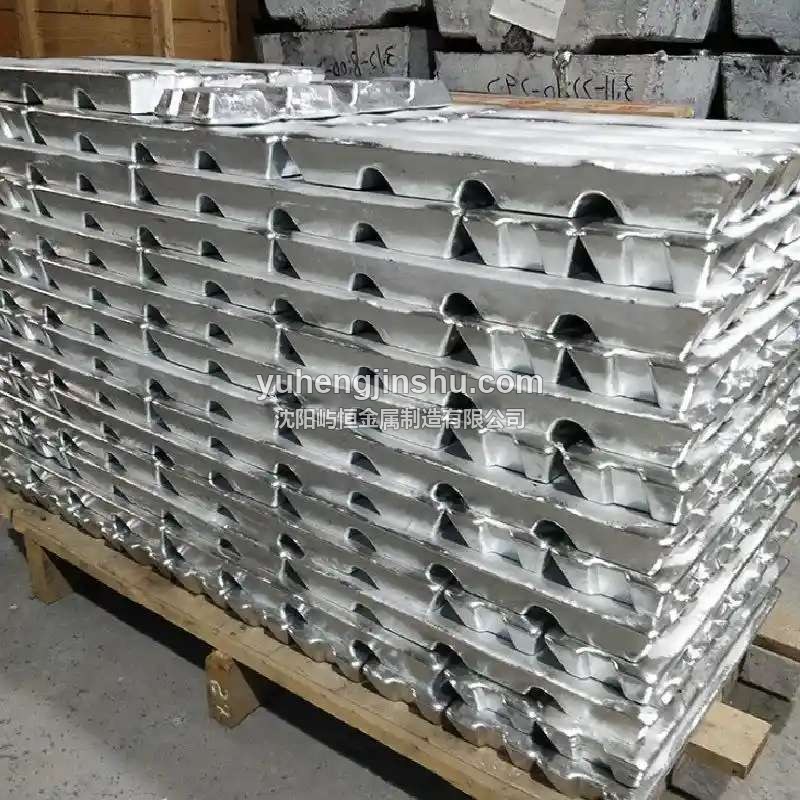
These are examples, not the boundary of what we can melt.
| Zinc-based | ZA303, ZA-27, ZA-12 - bearings, bushings, slide plates, worm wheels; low cost, high load capacity, best value below 150 °C |
|---|---|
| Aluminum-based | ZL205A and other high-strength casting aluminum alloys - load-bearing structural parts, casting instead of forging, density around 2.8 g/cm³ |
| Non-standard | Your drawing or company specification, held to a narrow window instead of the wide range of a standard |


Ingot shape, unit weight and batch size are set by the order.
Two grades customers ask about most, each with composition, properties and where it stops making sense.
High-aluminum zinc-based casting alloy, tensile strength 300-450 MPa and hardness HB 90-120, used instead of babbitt and some tin bronzes for bearings, bushings and slide plates.
Al-Cu-Mn high-strength casting aluminum alloy, about 500 MPa in the T5 condition and 2.82 g/cm³, for load-bearing structural parts.
Values vary with casting section, density and heat treatment condition - confirm against your actual casting.
Both. A standard grade is melted to the standard, a composition window is held to that window, and if you only have a performance target we work out a composition first - with a trial ingot before the batch.
Yes. Describe the service - load, temperature, medium, mating part material - and the failure you are trying to stop, and we suggest a material with a matching composition.
Trial quantities are possible. Batch quantity is agreed per ingot shape and furnace charge, and lead time depends on how difficult the composition is and on the ingot shape; both come with the quotation.
Yes. The same heat can produce ingots and be poured into rough castings, which avoids a second melt and its composition drift and losses.
Send your drawing, sample photo or specification - we reply within 1 business day.